DripDrop Hydration Giveback Campaign
DripDrop is donating 200,000 electrolyte sticks to provide fast hydration to volunteer firefighters. At least 1,000 departments will receive a donation.
Enter Now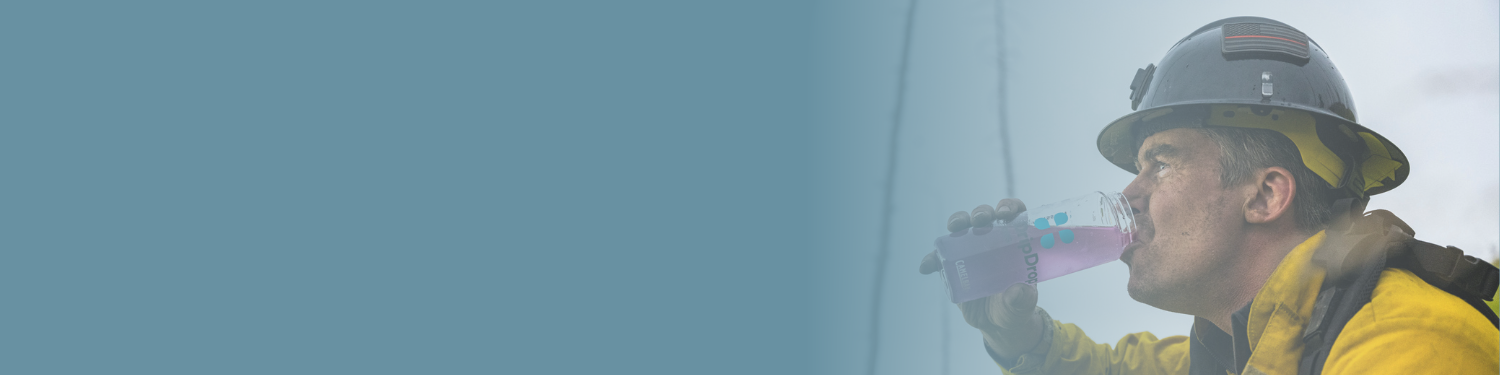
DripDrop is donating 200,000 electrolyte sticks to provide fast hydration to volunteer firefighters. At least 1,000 departments will receive a donation.
Enter Now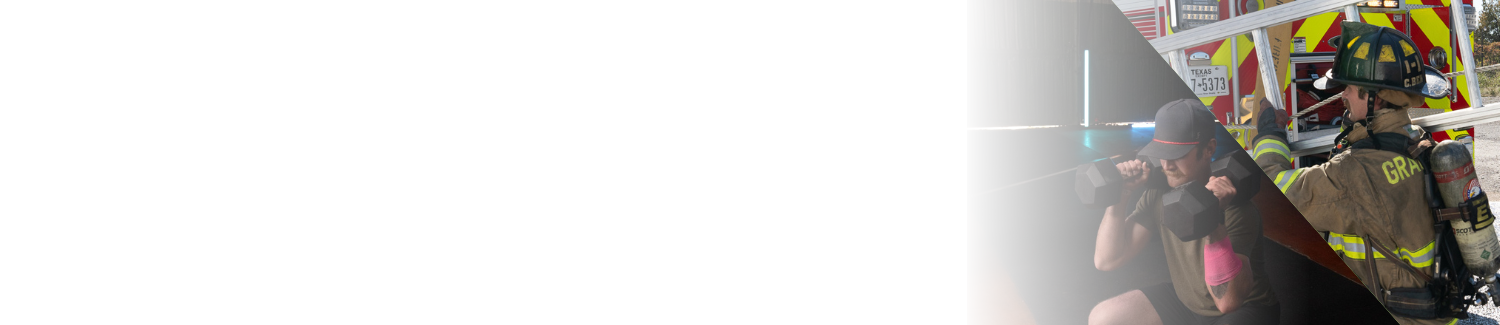
Get ready for Safety Stand Down, June 14-20, with planning tools and resources focusing on this year's theme of "Firefighter FITNESS: Fit to Serve, Fit for Life."
Start Planning Now
Focus on fitness while having fun! Join us for the Step Strong Challenge from June 1-30. Meet challenge goals for the chance to win prizes.
Learn more and sign up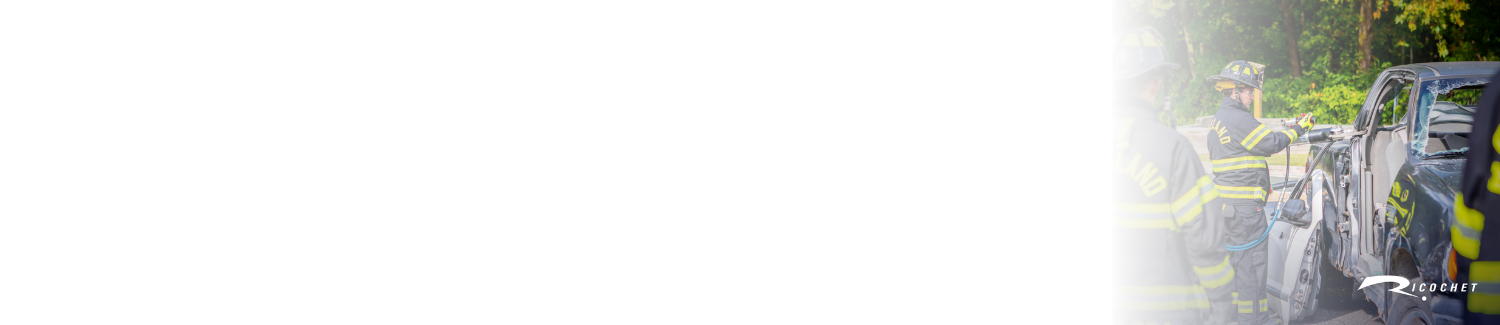
Join us on June 16 at 2pm ET for the Webinar - Right Gear, Right Response: The Case for Alternative PPE in the Volunteer Fire Service
Register now
The NVFC marks its 50th anniversary this year. Celebrate with us by taking a trip down memory lane through our retrospective timeline of milestones and highlights from the past 50 years.
View Timeline











Copyright 2026 National Volunteer Fire Council
Social Feed
Check out this new podcast from Boulder Crest Foundation exploring the science and stories behind growth after adversity. Episode 1 is available now and is a great introduction to the concept of posttraumatic growth. 🎧 Listen below.
NOW OPEN! 💧 Volunteer fire departments can now apply for the 2026 DripDrop and NVFC Hydration Giveback Campaign. A minimum of 1,000 departments will receive a donation of DripDrop electrolyte sticks to help responders stay hydrated during extreme heat, training, wildfires, and emergency response. ✅ Exclusive benefit for volunteer fire departments with at least one NVFC member ✅ U.S.-based volunteer fire departments only 📅 Apply by June 30 at noon ET 🔗 https://buff.ly/nHH62in
Enter NOW until June 30 for a chance to receive a personalized MSA Cairns® 1836 Fire Helmet! 🔗 www.nvfc.org/helmet 🚒 Must be an NVFC member & active U.S. volunteer firefighter
As part of the NVFC’s 50th anniversary celebration, we’re continuing our State Association Spotlight series. This week, we’re highlighting the North Dakota Firefighters Association and its long history of supporting firefighters across the state. Organized in 1884, the NDFA serves as North Dakota’s official training and certification agency for the fire service. Operating under the State Insurance Commissioner, the association provides training, certification, and resources that help firefighters stay prepared to protect their communities. One of the association’s greatest achievements is making training accessible. NDFA provides nearly all firefighter training at no cost, helping support a fire service that is approximately 95% volunteer or paid-on-call. North Dakota is also home to some unique distinctions, including Theodore Roosevelt National Park, the state-owned Bank of North Dakota, and the Bakken oil formation. It is a leading producer of honey, sunflowers, durum wheat, flaxseed, and canola, and Lewis and Clark spent more time in North Dakota than any other state during their historic expedition. The North Dakota Firefighters Association continues to strengthen the fire service through education, advocacy, and support for the volunteers who serve communities across the state. Join today for just $24/year and stand with volunteers across North Dakota and nationwide 👉 nvfc.org/join
This year's Safety Stand Down theme is Firefighter FITNESS: Fit to Serve, Fit for Life. Core strength plays a critical role in nearly every movement firefighters make, from lifting equipment to maintaining balance and stability under load. This week, take time to focus on the fitness components that help keep you healthy and ready for the job. A strong core can improve posture, support the spine, and help reduce the risk of injury. Watch the sit-up demonstration and add this simple core-strengthening exercise to your fitness routine.
☀️ Summer road trip season is here — and so is a rise in crashes. With more drivers on the road, it’s important to stay alert, avoid distractions, and drive responsibly. One careless moment can change everything.
🚨 Safety Stand Down 2026 starts today! 🚨 This year's theme, Firefighter FITNESS: Fit to Serve, Fit for Life, focuses on building the physical, mental, and emotional wellness needed for a long and healthy fire service career. Throughout the week, we'll be sharing resources, training, and practical tips to help firefighters improve their fitness, resilience, and overall well-being. To kick off Safety Stand Down, hear a special message from NVFC Chair Steve Hirsch and join departments across the country in making health and safety a priority. 🎥 Watch Steve's message: https://buff.ly/nHtKpXP Learn more about Safety Stand Down: www.safetystanddown.org
Wildfire preparedness starts long before the first spark. As wildfires become more frequent and intense, helping homeowners reduce risk is one of the most effective ways to protect lives, property, and communities. Through the NVFC and U.S. Forest Service Wildland Fire Assessment Program, fire service volunteers can learn how to conduct home safety assessments and provide recommendations that help residents make their homes more wildfire resistant. Access free training and resources to help your community become more fire adapted and ready before wildfire strikes. 🔥 Learn more: https://buff.ly/gfnXWCH
What could your department do with 5 new sets of turnout gear? 🔥 Ricochet is awarding 6 fire departments across the country with 5 sets each of M² Maverick™ non-PFAS turnout gear — built for mobility, durability, and the future of the fire service. As departments prepare for evolving standards and growing PFAS concerns, this giveaway is about helping crews access next-generation protection without adding strain to already tight budgets. ✅ 6 Departments Selected Nationwide ✅ 5 Sets of Non-PFAS Turnout Gear Per Department ✅ No Cost to Enter 🔥 Entry is open now through June 30. 🔗 https://buff.ly/KqHuqQJ
Strong departments are built through intentional leadership, healthy culture, and a commitment to continuous improvement. This past weekend, volunteer firefighters and department leaders in New York and Maryland participated in the NVFC's Building a Healthy and High-Performing Fire Department course. Led by instructors Jill Holland and Dave Lewis, attendees learned practical strategies to strengthen department culture, support member well-being, improve retention, and build organizations that can thrive for years to come. Thank you to Community Fire and Rescue in Van Etten, NY, and Maugansville (MD) Goodwill Volunteer Fire Station #13 for hosting these training opportunities. Find training in your area or request one at your department here: https://buff.ly/XlHLqzs
This #thankfulthursday, we're recognizing Emergency Technical Decon (ETD) for their commitment to firefighter health, safety, and gear readiness. As a full-service NFPA 1851 verified Independent Service Provider, ETD helps fire departments extend the life of their turnout gear through advanced cleaning, inspection, and repair services. Their innovative liquid CO2+ decontamination process helps remove harmful contaminants while supporting cancer prevention efforts and NFPA compliance. Learn more at etdecon.com
Children may make up a small portion of 911 calls, but when a pediatric emergency happens, your department needs to be prepared. The Prehospital Pediatric Readiness Project offers an open assessment to help departments evaluate how ready they are to care for children and identify areas for improvement. Take the assessment and view the PPRP Roadmap to see how the assessment and related resources work together to strengthen pediatric emergency response. 🔗 https://buff.ly/K4AWjxY
The Heroes Off Duty Comedy Tour is bringing together firefighters, EMTs, law enforcement, nurses, military veterans, and other first responders for a night of laughs, stories, and well-earned stress relief. The tour features comedians who have lived the first responder life and know exactly what it’s like on and off the job. ‼️Presale runs through Friday, June 12 at 9:59 AM ‼️ Learn more and secure your tickets at: https://buff.ly/DulH7kH
📢Grant Alert: Firehouse Subs Public Safety Foundation The next grant application period opens July 9 at 10am ET! Only 600 applications will be accepted! Once that cap is reached, the portal will close. Learn more: https://buff.ly/dpNV2hl
Pipelines carry hazardous materials through thousands of U.S. communities. While pipeline incidents are low frequency, they pose a threat to the public and responders should one occur. Make sure your department is prepared with a free toolkit and training from the Fire Department Pipeline Response, Emergency Planning, and Preparedness (FD PREPP) initiative. 🔗 https://buff.ly/UltM5be
Stiff hips, tight shoulders, and limited mobility can make everyday movements more difficult and increase your risk of injury. As we prepare for Safety Stand Down, June 14-20, remember that firefighter fitness isn't just about strength. Mobility and flexibility help improve movement, support recovery, and keep you ready for the demands of the job. This year's theme is Firefighter FITNESS: Fit to Serve, Fit for Life. Watch the World's Greatest Stretch demonstration and add this full-body mobility exercise to your fitness routine today.
🚒💧 Emergency drinking water is starting to arrive at volunteer fire departments across the country through the Anheuser-Busch Emergency Drinking Water for Wildland Firefighters program! As firefighters prepare for wildfires, extreme heat, and extended emergency responses, access to clean drinking water is critical for staying healthy, hydrated, and ready to serve. ❤️ A big thank you to Anheuser-Busch for helping provide this valuable resource to volunteer departments nationwide. We're proud to support the firefighters who work tirelessly to protect their communities. Learn more about the program at nvfc.org/water.
Different calls require different gear, and the same principle applies to PPE. Too often, structural turnout gear is used for EMS responses, MVAs, and other non-fire incidents, increasing health risks and putting unnecessary wear and tear on costly equipment. Join the NVFC on June 16 at 2pm ET to learn why alternative PPE is becoming an essential strategy for today's volunteer fire service and how using the right gear for the right response can enhance safety, reduce PFAS exposure, and help lower long-term costs. Register 👉 https://buff.ly/PrvyMQ3 This webinar is sponsored by Ricochet Gear
Being a first responder comes with inherent risks. While more experienced crew members may know how to reduce those risks, new recruits often do not. This course details why risk management is important, not just to those in leadership positions, but to all firefighters and EMS personnel. Take this course free for a limited time in the Virtual Classroom, and consider making it required training for all newer personnel in your department. 👉 https://buff.ly/P844IbU
💧 Coming soon! The 2026 DripDrop and NVFC Hydration Giveback Campaign opens at noon ET on June 16. DripDrop and the NVFC are teaming up once again to help keep volunteer firefighters hydrated during summer heat, training, wildfires, and long incidents. A minimum of 1,000 volunteer fire departments will receive a donation of DripDrop electrolyte sticks, with product amounts varying based on department size. ✅ Exclusive benefit for volunteer fire departments with at least one NVFC member 📅 Entry period open June 16 - 30 (noon ET) Stay tuned for details: https://buff.ly/8Srtm46
🎉 Congratulations to Lori Shirley on 20 years with the NVFC! Since joining the NVFC in 2006, Lori has played an instrumental role in advancing programs and partnerships that support volunteer firefighters and EMS providers across the country. Her dedication, leadership, and commitment to serving the fire and emergency services community have made a lasting impact on the organization and the members we serve. Thank you, Lori, for two decades of hard work, passion, and excellence. We are grateful for all you do! Please join us in congratulating Lori on 20 years with the NVFC! 👏
Marketing, websites, and media solutions for volunteer fire departments. Responder MAX helps volunteer fire departments improve recruitment, communication, and community engagement through a connected set of services: • Websites & Landing Pages • Recruitment & Marketing Campaigns • Social Media & Digital Advertising • Video & Photo Production • Strategy & Consulting Learn more: https://bit.ly/MAX-6-26
📸 Fire service leaders gathered in Biloxi, MS, last week for the NVFC's Building a Healthy and High-Performing Fire Department training, presented by Paul Bearce during the 89th Annual Mississippi Firefighters and Fire Chiefs Association Summer Conference. This interactive course helps departments strengthen their culture, support member well-being, improve performance, and build a healthier, more resilient organization. Thank you to everyone who participated and made this training a success! Interested in bringing NVFC training to your department? 👉 Request training: https://buff.ly/XlHLqzs
What motivates someone to become a volunteer firefighter? What makes them stay? And what barriers stand in the way? The NVFC's latest recruitment and retention research provides valuable insights from prospective, current, and former volunteer firefighters to help departments strengthen their recruitment efforts and improve member retention. Key findings include: ✅ More than half of people don't know they can volunteer as a firefighter ✅ Prospective volunteers want clear expectations about time commitments and responsibilities ✅ Support for the emotional and physical demands of the job matters ✅ Volunteers are more likely to stay when they feel valued and supported ✅ Mentorship and family engagement can improve retention Explore the full research report, infographic, and additional studies to help your department make informed, data-driven decisions. 📊 View the research: https://buff.ly/bsQnjHP
This #thankfulthursday, we’re sending a big thank you to NVFC supporter McNeil & Company, a trusted leader in insurance and risk management for fire and EMS agencies across the U.S. Through their ESIP - Emergency Services Insurance Program, they’ve got the backs of first responders with coverage tailored to the unique risks of the job. They also offer specialized programs for wildland firefighters, ambulance service providers, and industry suppliers — ensuring every corner of emergency services is supported. 🔗 Learn more: https://buff.ly/XY84625
🤯 These numbers are blowing us away! Step Strong Challenge participants are already racking up an impressive number of steps, and the leaderboard is filling up fast. 👟🔥 Think you've got what it takes to climb the rankings? There's still plenty of time to join the challenge and get moving. Not only will you be building healthier habits, but participants who reach designated step milestones will be entered into prize raffles at the end of the challenge. Ready to join the challenge? 🚶 Sign up and start stepping: https://buff.ly/NOATmpl
Tight hips can affect mobility, balance, and movement efficiency, all of which are important on and off the fireground. As we prepare for Safety Stand Down, June 14-20, remember that firefighter fitness is about more than strength. Mobility plays a key role in staying fit for duty, preventing injuries, and maintaining long-term health. This year's theme is Firefighter FITNESS: Fit to Serve, Fit for Life. Small habits like stretching and recovery can make a big difference. Watch the Figure 4 Stretch demonstration and add it to your fitness routine today.
Different tools are needed for different jobs, and the same is true for PPE. Using structural turnout gear on non-fire calls can lead to increased health risks and unnecessary wear on equipment. Join this NVFC webinar on June 16 at 2pm ET to learn why alternative PPE is a critical strategy for today’s volunteer fire service, and how matching the right gear to the right response can improve safety, reduce PFAS exposure, and lower costs. Register 👉 https://buff.ly/PrvyMQ3 This webinar is sponsored by Ricochet Gear
The AFG, SAFER, and FP&S grant application periods are open! These federal funding opportunities can help departments strengthen operations, improve safety, and better serve their communities. 🚒 Assistance to Firefighters Grant (AFG) Supports departments with funding for PPE, turnout gear, SCBA, equipment, apparatus, training, and wellness initiatives. 👨🚒 Staffing for Adequate Fire and Emergency Response (SAFER) Helps departments increase or maintain staffing levels and supports volunteer recruitment and retention activities. 🔥 Fire Prevention & Safety (FP&S) Supports fire prevention and education efforts, community risk reduction programs, and firefighter safety research initiatives. Find more information and learn how to apply here: https://buff.ly/iuu8jax Need help preparing your application? Check out the NVFC Virtual Classroom for grant-related training and resources: https://buff.ly/cfXtGyB
Enter now until June 30 for a chance to receive a personalized Cairns® 1836 Fire Helmet! Congratulations to our April recipient, Deputy Chief Jonathan Sporleder of Prue (OK) Volunteer Fire Department! 🔗 www.nvfc.org/helmet 🚒 Must be an NVFC member & active U.S. volunteer firefighter
Fitness isn’t just about strength. It’s about staying ready to serve. Safety Stand Down 2026 (June 14–20) breaks firefighter fitness into daily focus areas: • Foundations • Intentional • Technique • Nutrition • Evaluation • Sleep • Strategies for Success Use these topics to guide training, conversations, and long-term health in your department. Get started: www.safetystanddown.org
Apply for the Columbia Southern University and NVFC Scholarship Program! 🎓🚒 Two NVFC members will receive scholarships covering up to 60 credit hours toward an online degree program through Columbia Southern University. If you’re a volunteer responder looking to further your education and strengthen your impact in the fire and emergency services, this is an incredible opportunity to invest in your future. Applications are open until August 17. Learn more and apply: https://buff.ly/tmv5iNQ
Join the NVFC, TOMORROW, June 2 at 2pm ET for a Roundtable Talk to help your department prepare for Safety Stand Down 2026, taking place June 14-20. This year’s theme, "Firefighter FITNESS: Fit to Serve, Fit for Life", focuses on the critical role health and fitness play in responder readiness, injury prevention, and long-term wellbeing. Hear from Quentin Cash, Dave Frost, Shelby Hall, Dan Kerrigan, Eric Valliere, and moderator Darin Wallentine as they discuss this year’s daily FITNESS topics, ways departments can participate, and resources available to help responders stay fit to serve and fit for life. Register now: https://buff.ly/YTFDZff
Your department's next recruit may be scrolling social media right now. To help volunteer fire and EMS departments communicate more effectively online, the NVFC has developed a new Social Media Toolkit packed with practical guidance, templates, and resources. The toolkit will help your department: ✅ Strengthen recruitment and retention messaging ✅ Increase community engagement ✅ Create more effective social media content ✅ Build a consistent brand and voice ✅ Understand analytics and content performance ✅ Navigate paid advertising and boosted posts ✅ Save time with ready-to-use tips, templates, and examples Whether you're just getting started or looking to take your social media presence to the next level, this toolkit provides simple, actionable strategies designed specifically for volunteer responders. Access the toolkit today: https://buff.ly/xfT2GdJ
Walk. Track. Win. 🥇 ✔️ Hit 200K Steps = raffle entry ✔️ Hit 300K Steps = raffle entry ✔️ Top 20 Steppers = raffle entry ✔️ Top 10 Team = raffle entry Sign up now: hekahealth.com/nvfc26
Meet Linda Pyle, an NVFC member who proves it's never too late to answer the call to serve. 🚒 After retiring from a career in education, Linda joined the fire service and now serves as a firefighter/EMT with Butler County Fire District 11 in Towanda, KS. Through emergency response, public education, and community outreach, she's making a difference while continuing a family legacy of service. Read Linda's story in this NVFC Member Spotlight: https://buff.ly/pww1azc
Every firefighter's journey starts somewhere. The NVFC's Recruit to White Helmet course provides a roadmap for advancing in the fire service, from your first day as a recruit to future leadership opportunities. Learn what it takes to grow your skills, take on new responsibilities, and build a successful volunteer fire service career. 📚 Free for a limited time in the NVFC Virtual Classroom. Get started: https://buff.ly/lO9oOpa
This #thankfulthursday, we’re recognizing NVFC Champion Member Missioncit for their commitment to supporting the fire and emergency services. Founded by first responders, for first responders, MissionCIT helps strengthen departments and communities through firefighter and EMS training, recruitment and retention support, strategic planning, emergency management, and more. Thank you, MissionCIT, for helping build stronger, better prepared responders across the country. 🚒 Learn more: https://buff.ly/dSHJv9e
Get ready for Safety Stand Down 2026, taking place June 14–20! This year’s theme, Firefighter FITNESS: Fit to Serve, Fit for Life, focuses on building strength, endurance, and resilience to keep responders safe and performing at their best. Plan ahead with daily focus topics including Foundations, Technique, Nutrition, Sleep, and more. Access free tools, training ideas, and resources to support your department. Learn more:
Who’s climbing the leaderboard? 👀 Compete with first responders across the country in the NVFC Step Strong Challenge! Every step brings you closer to prizes — and bragging rights. You can step things up even more by making it a competition within your department or family. 👉 Start today: hekahealth.com/nvfc26
📣 We’re hiring! The National Volunteer Fire Council is seeking a Corporate Relations Manager to lead and grow corporate sponsorship, membership, and partnership efforts that support the volunteer fire and EMS community nationwide. This role is ideal for a strategic, relationship-driven professional with experience in fundraising, sponsorship development, or partnership management who is passionate about making an impact. Learn more and apply: https://buff.ly/IkoQwhw
Congratulations again to Plano Fire Explorers Post 215 on being named the Junior Firefighter Program of the Year Award recipient. 🚒 NVFC TX director Dallas Renfrew recently attended the award ceremony to recognize the program’s incredible impact and present the award in person. For decades, Plano Fire Explorers Post 215 has helped shape the next generation of fire service leaders through hands-on training, mentorship, community service, and leadership development. Their dedication to preparing young people for a future in the fire service continues to make a lasting difference. Learn more 👉 https://buff.ly/T8RMIz2 This award is sponsored by California Casualty.
Join the NVFC on June 2 at 2pm ET for a Roundtable Talk to help your department prepare for Safety Stand Down 2026, taking place June 14-20. This year’s theme, "Firefighter FITNESS: Fit to Serve, Fit for Life", focuses on the critical role health and fitness play in responder readiness, injury prevention, and long-term wellbeing. Hear from Quentin Cash, Dave Frost, Shelby Hall, Dan Kerrigan, Eric Valliere, and moderator Darin Wallentine as they discuss this year’s daily FITNESS topics, ways departments can participate, and resources available to help responders stay fit to serve and fit for life. Register now: https://buff.ly/YTFDZff
🚒 First responders are always ready to have your back — so return the favor by driving safely. When passing an emergency scene, slow down, move over, and stay alert. Let’s keep our roads safe for those who risk it all to protect us.
Today, the NVFC pauses to honor and remember the brave service members who gave their lives in defense of our nation. Their sacrifice will never be forgotten. We also extend our deepest gratitude to the families who carry the weight of that sacrifice every day. #MemorialDay
Discover auto, home, and renters insurance designed for Firefighters. Learn more: https://buff.ly/bqGlNTA
As lithium-ion battery incidents continue to increase, this new report explores the impact e-mobility device fires can have on passenger rail safety, evacuation, and emergency response. Check out the findings in this new Fire Safety Research Institute report.
As wildfire season approaches, hydration and preparedness are critical. 🚒💧 The NVFC, Anheuser-Busch, and its wholesaler partners are helping 638 volunteer fire departments in 45 states stay ready to respond with the donation of 1.5 million cans of emergency drinking water. Now in its eighth year, this program helps departments protect limited resources while ensuring firefighters have access to clean drinking water during emergencies. Read the article: https://buff.ly/P2qfm09
On this #thankfulthursday, we’re giving a big shoutout to Columbia Southern University — a valued NVFC supporter and advocate for volunteer first responder education. Online learning plays a critical role in helping volunteer firefighters and EMS providers pursue their educational goals while managing busy schedules and on-call duties. 🎓 The application period for the 2026 CSU Scholarship is now open! Two NVFC members will each receive a scholarship covering up to 60 credit hours toward the CSU degree program of their choice. Apply now through August 17: https://buff.ly/ETnjoyK
Think you know firefighter fitness? Test your knowledge with the Safety Stand Down quiz and explore key concepts tied to this year’s theme, Firefighter FITNESS: Fit to Serve, Fit for Life. Each question connects to a daily focus area designed to support safety, performance, and long-term health. Plus, 200 quiz takers will be randomly selected to receive a limited edition challenge coin! Take the quiz: https://buff.ly/BsGxV9w